

GETTING TO KNOW POLYMER CLAY

Part 4:
Types of Polymer Clay
There are many types of Polymer Clay out there. But many get confused with their properties and the various types. Let's face it: buying polymer clay can be confusing at times. I have my favorite type of clay, as do many clayers...but with such a wide variety to choose from, finding one that suits your purpose can sometimes be tricky. We will discuss the top 5 brands today: Fimo Classic, Fimo Soft, Premo! Sculpey, Sculpey III, & Cernit
I've put together this mini-reference based on Sue Heaser's recommendations in her book, "The Polymer Clay Techniques Book."
Scales:
Softness Rating: 1 = soft, 5 = firm
**All polymer clays harden over time, so this is only used as a guide for fresh/new clay**
Baked Clay Strength: A = Fragile, E = Very Strong

TYPE: FIMO CLASSIC
Softness Rating: 2-5 (variable)
Baked Clay Strength: C
Place Where Manufactured: Germany
Number of Colors: 24
Smoothable: Some Colors
Best uses: Jewelry, Millefiori, Miniatures, Flowers, and Dolls

TYPE: FIMO SOFT
Softness Rating: 2
Baked Clay Strength: C
Place Where Manufactured: Germany
Number of Colors: 48
Smoothable: Yes
Best uses: Children & General Hobby Uses
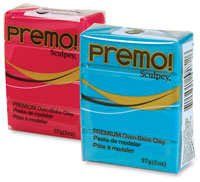
TYPE: PREMO! SCULPEY
Softness Rating: 3
Baked Clay Strength: D
Place Where Manufactured: USA
Number of Colors: 32
Smoothable: Yes
Best uses: Jewelry, Millefiore, and all fine art techniques.
*Excellent for mixing.
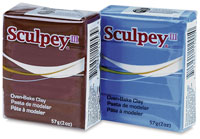
TYPE: SCULPEY III
Softness Rating: 1
Baked Clay Strength: A
Place Where Manufactured: USA
Number of Colors: 40
Smoothable: Yes
Best uses: Children and General Hobby Use
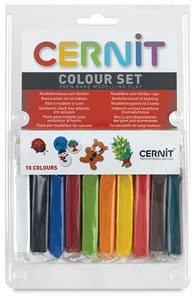
TYPE: CERNIT
Softness Rating: 4
Baked Clay Strength: E
Place Where Manufactured: Germany
Number of Colors: 44
Smoothable: No
Best uses: Jewelry, hobby, advanced doll making, & porcelain effects
All Pictures Link to DICK BLICK Where You Can Order Your Polymer Clays & Supplies
I order many of my clays from here as the color selection is more than I can find locally.
This post was previously published on 2/15/11 on the PCETeam Blog.
This post was previously published on 2/15/11 on the PCETeam Blog.


No comments:
Post a Comment